Amast
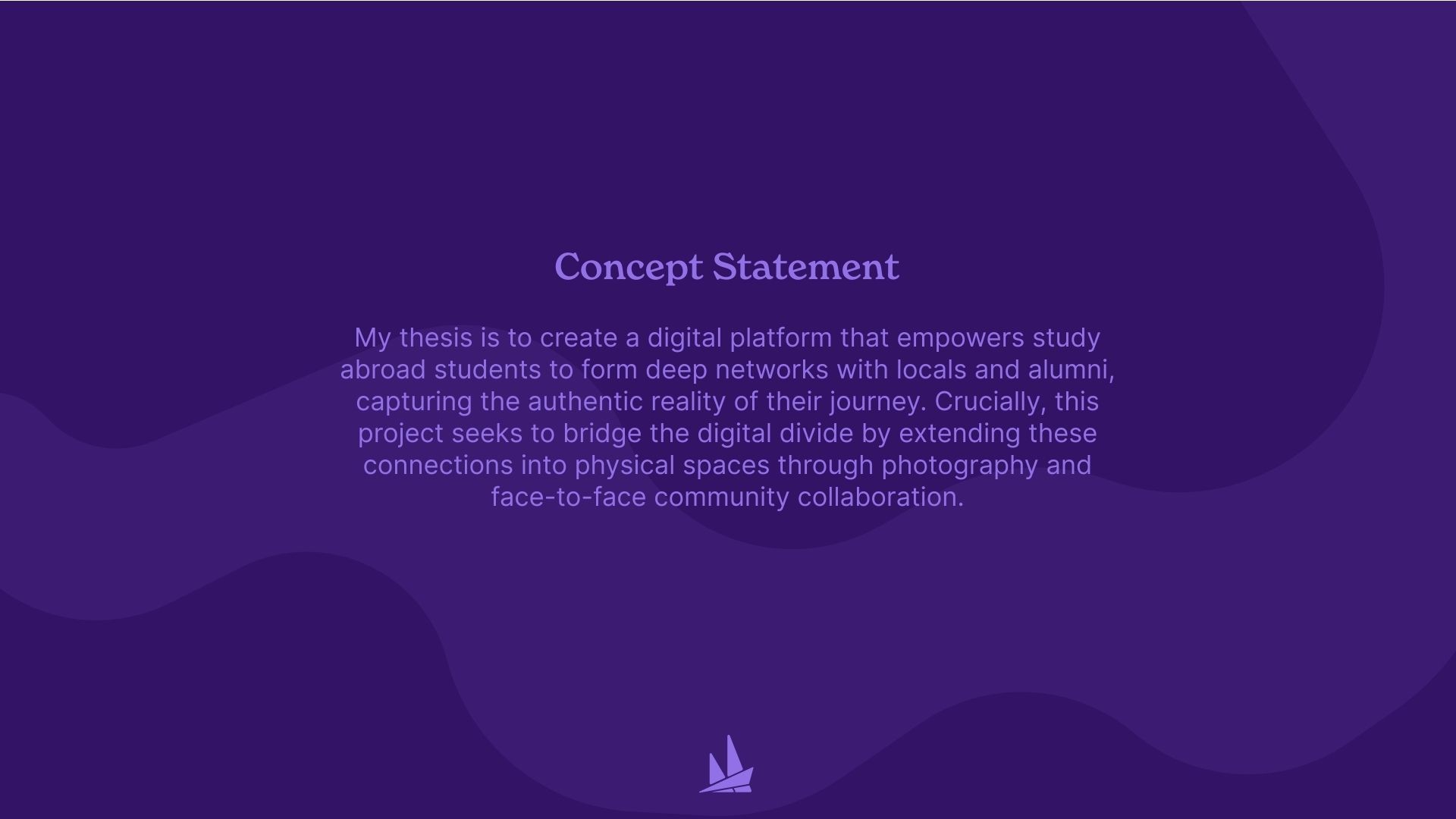
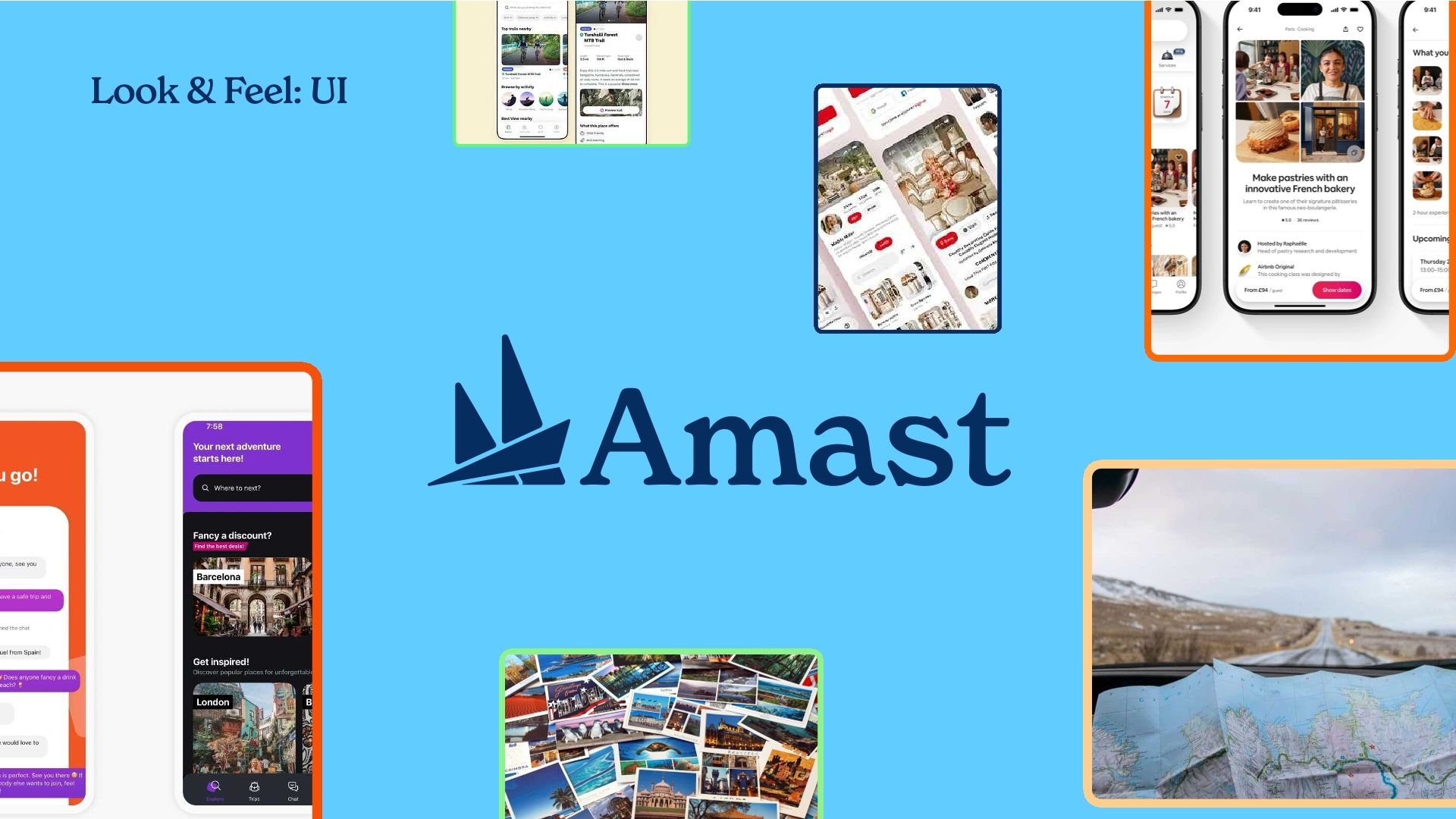
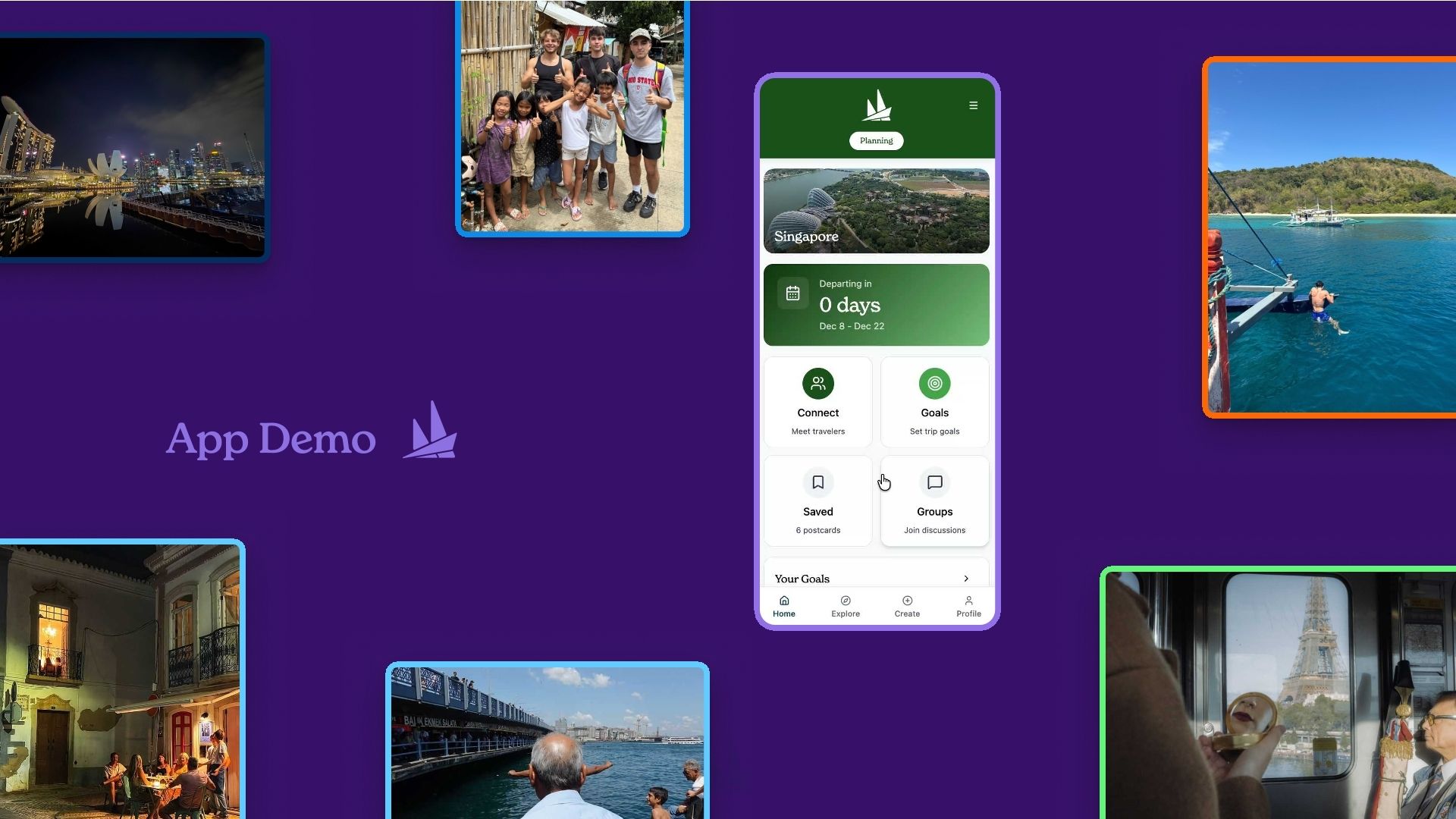
This project involves the development of a dedicated storytelling and networking platform designed to significantly enhance the study abroad experience. The app will empower students to seamlessly document their journeys, share personal narratives, and engage with a peer network for real-time interaction and mutual support.

Overview
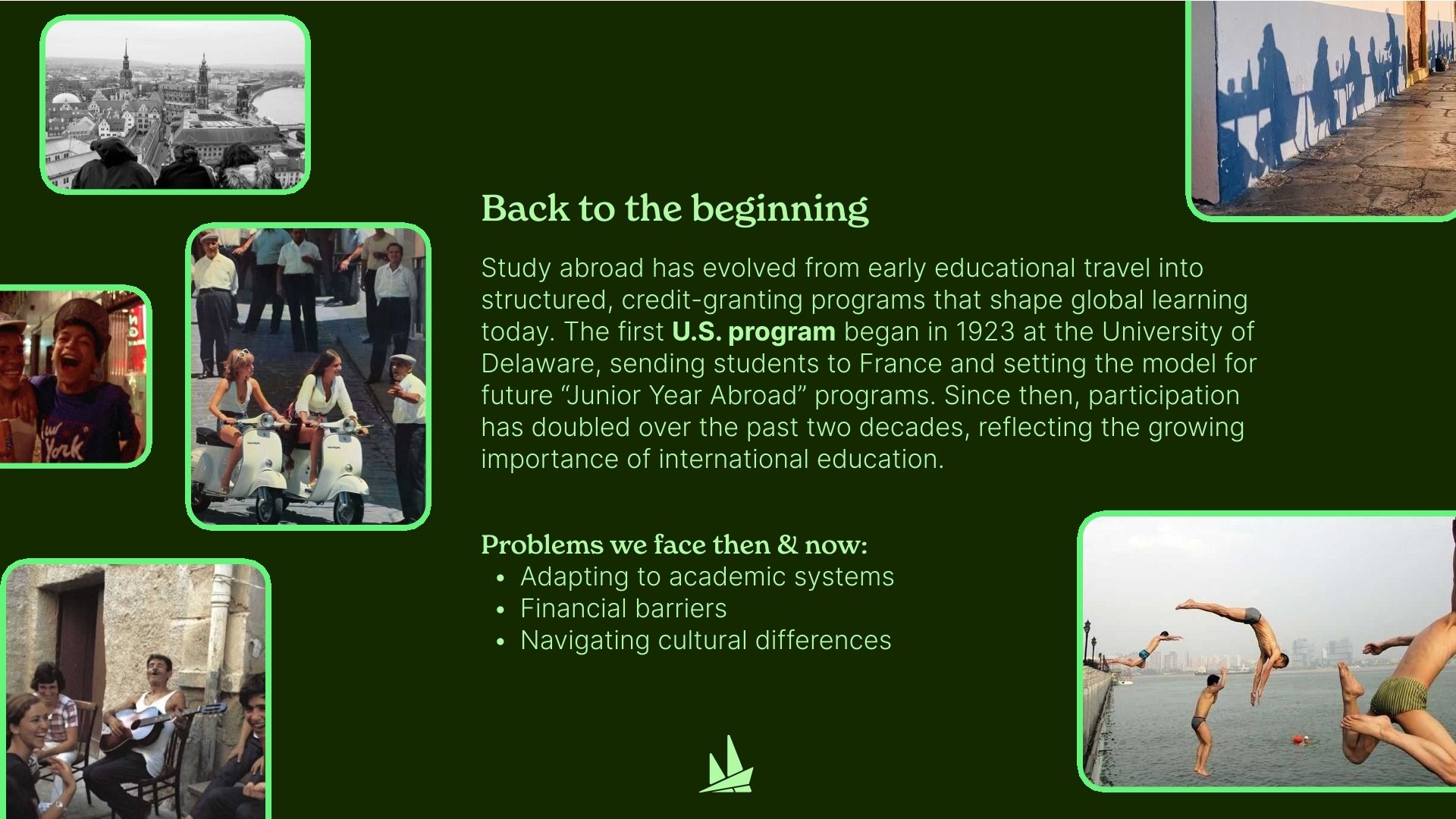
While universities have facilitated study-abroad programs for generations, the onboarding process often leaves students facing a significant "gap of intimidation." Drawing from friction I experienced firsthand at the National University of Singapore, Amast is a narrative storytelling platform and archival system designed to transform the study-abroad experience from a logistical checklist into a supported, meaningful journey.
year
2026
timeframe
Senior Capstone
tools
Adobe CC, Figma, and Motion Design
category
UI/UX
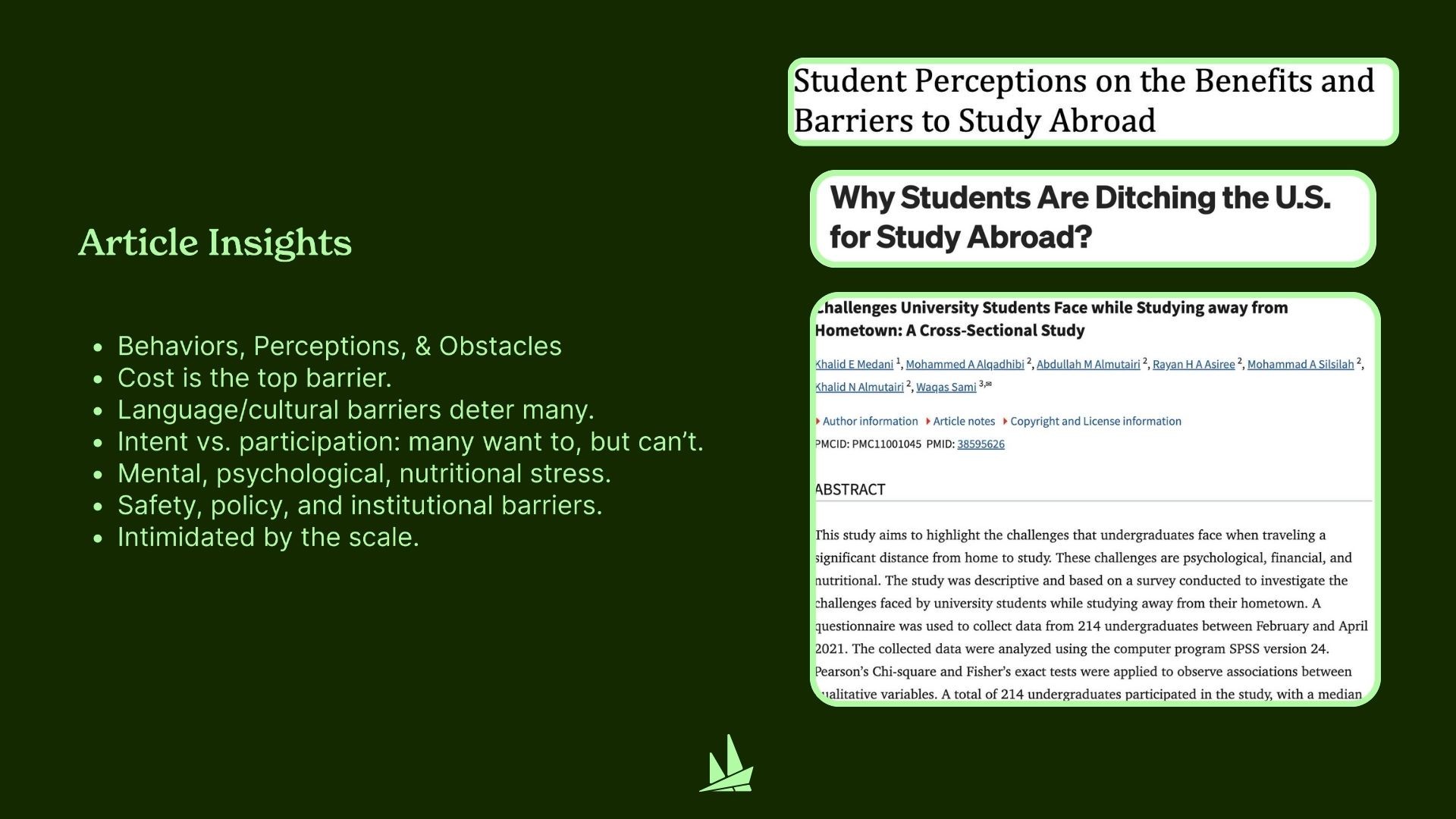
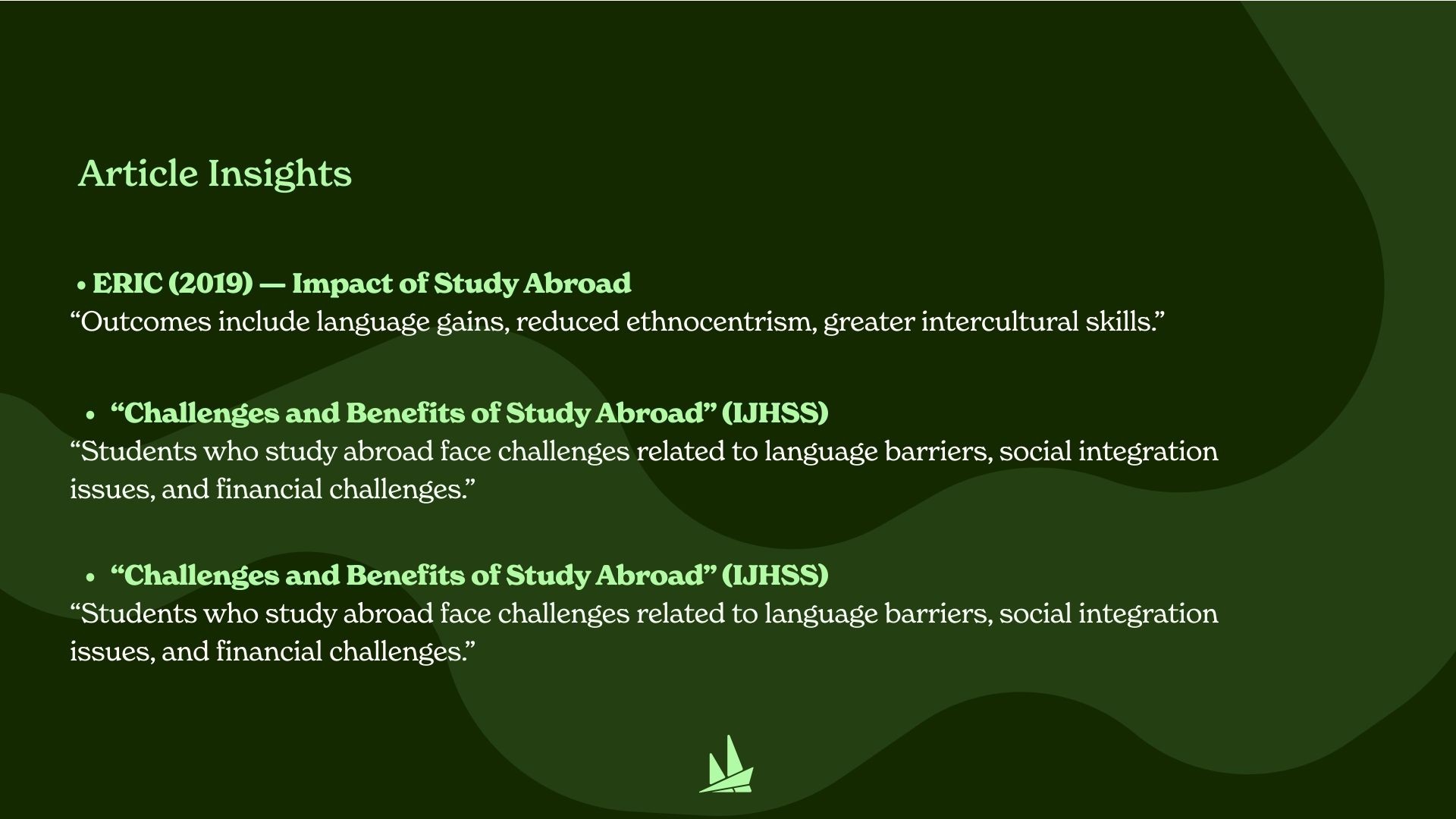
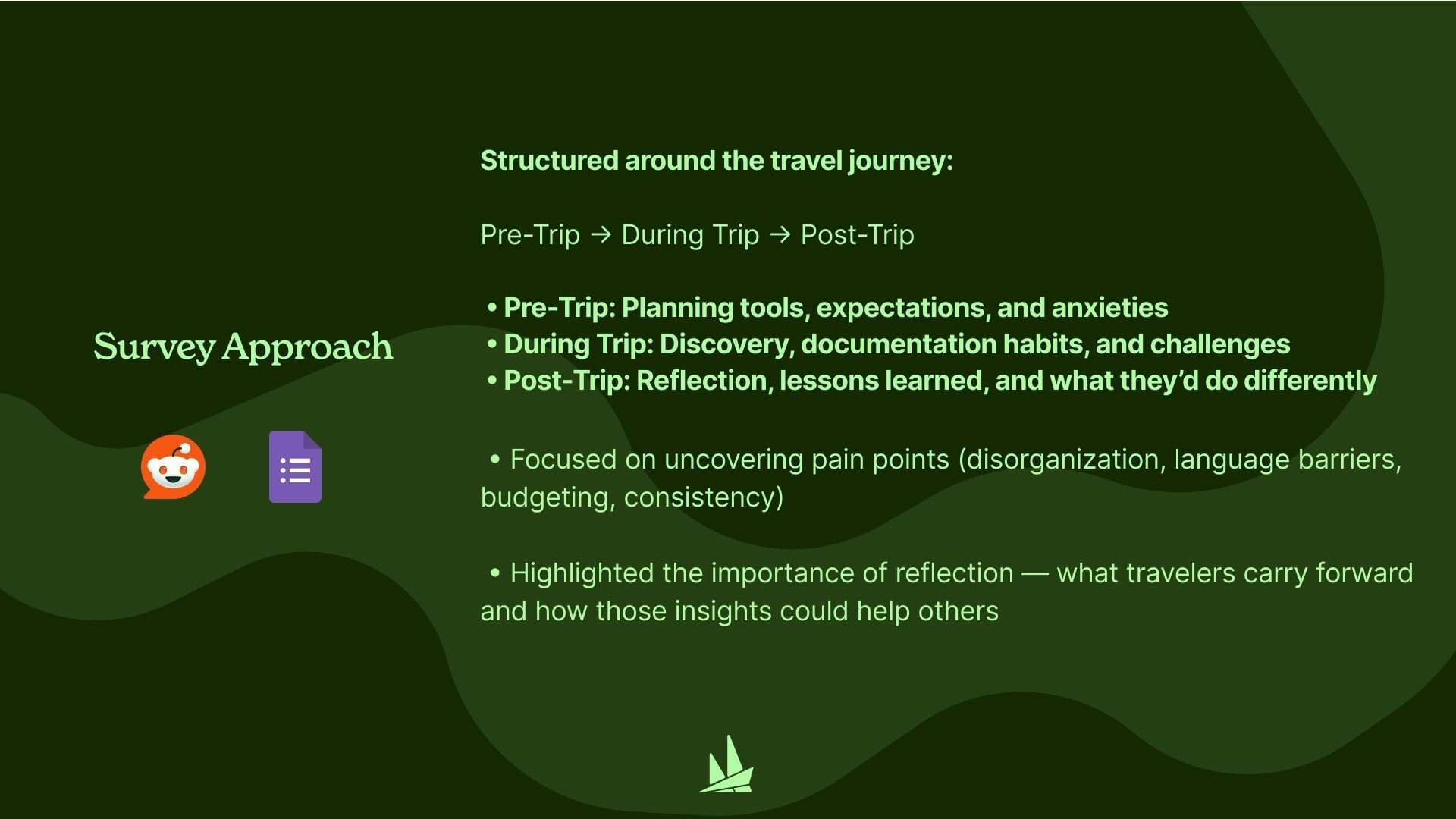
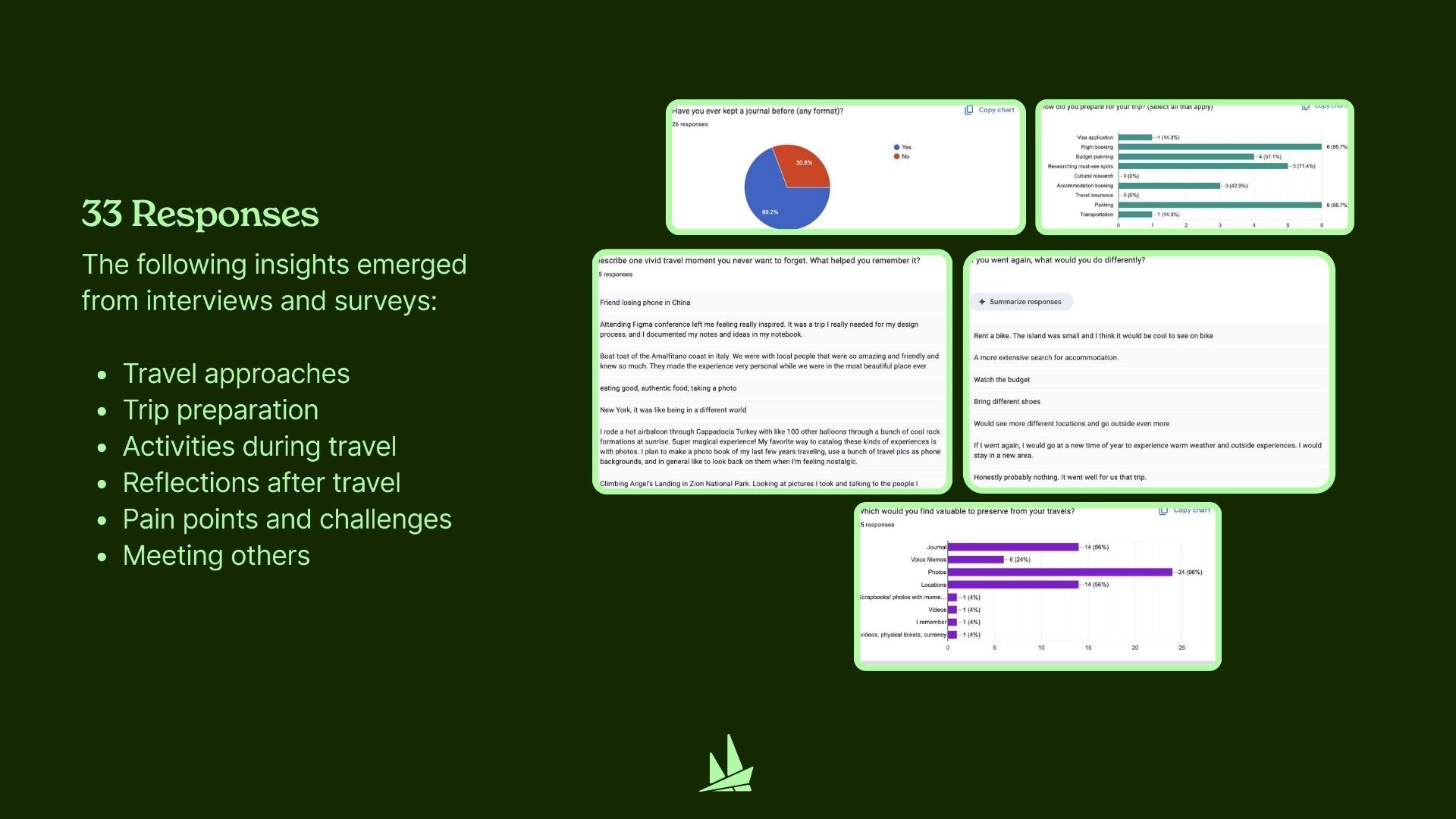
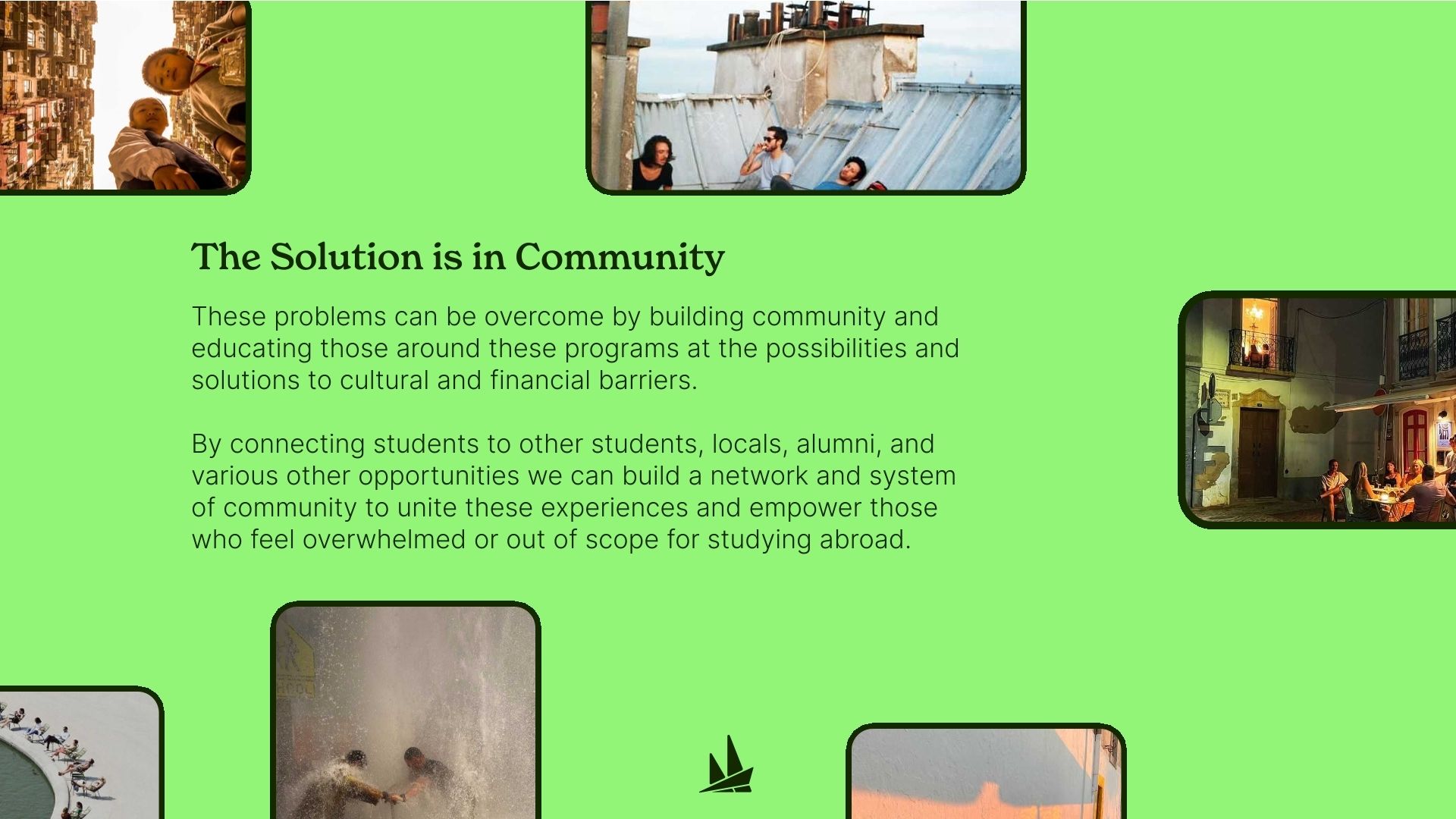
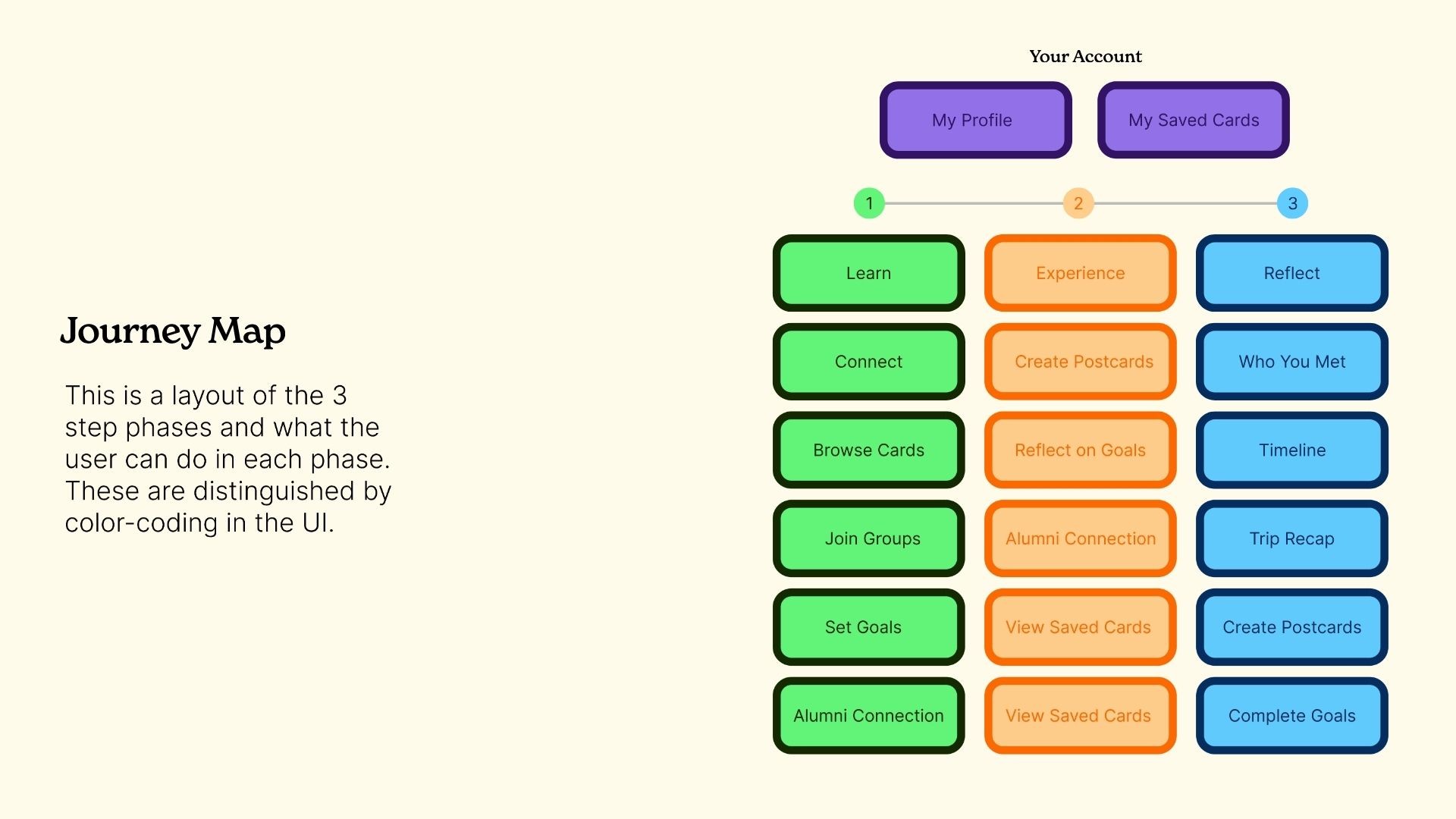
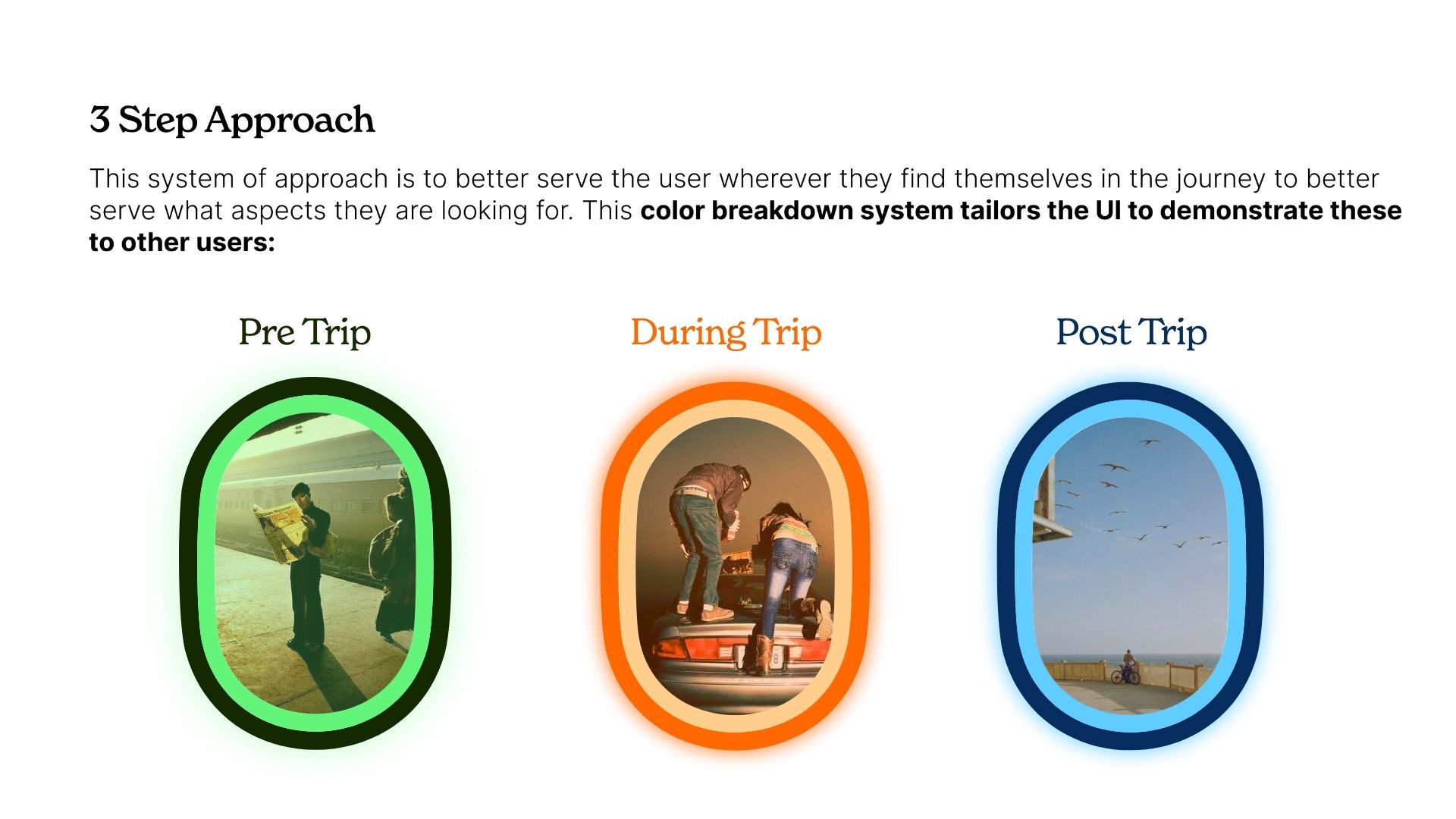
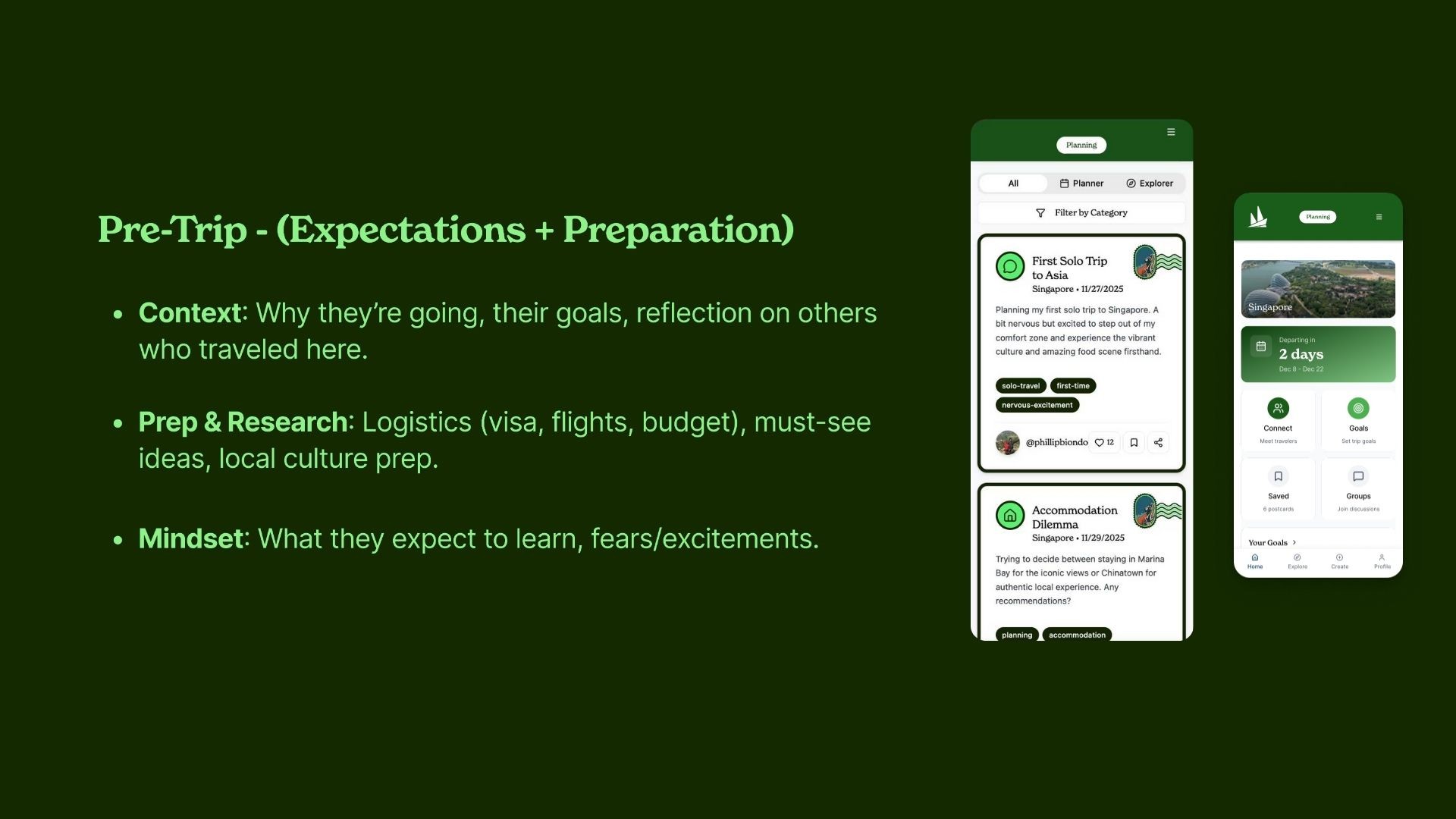
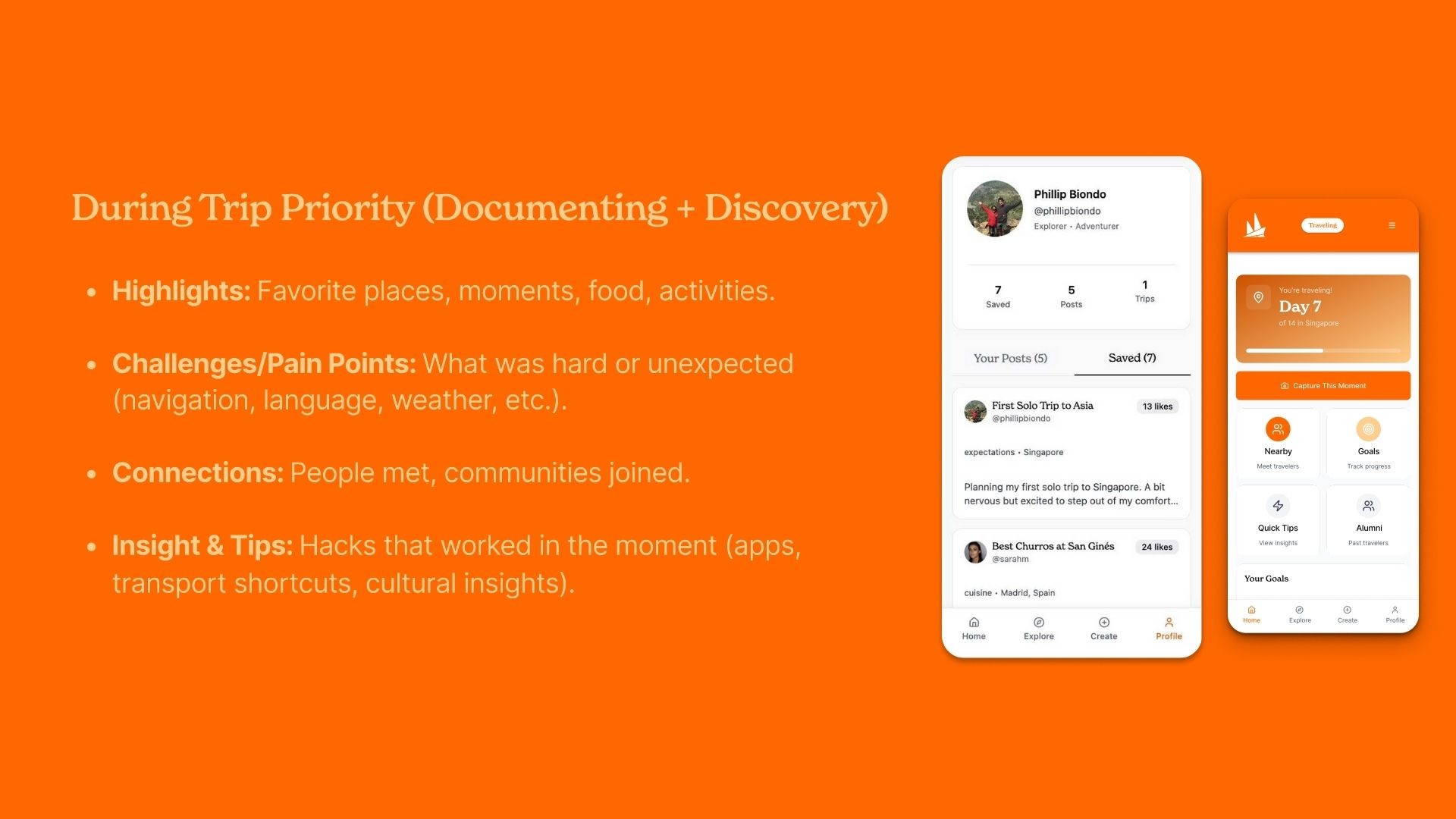
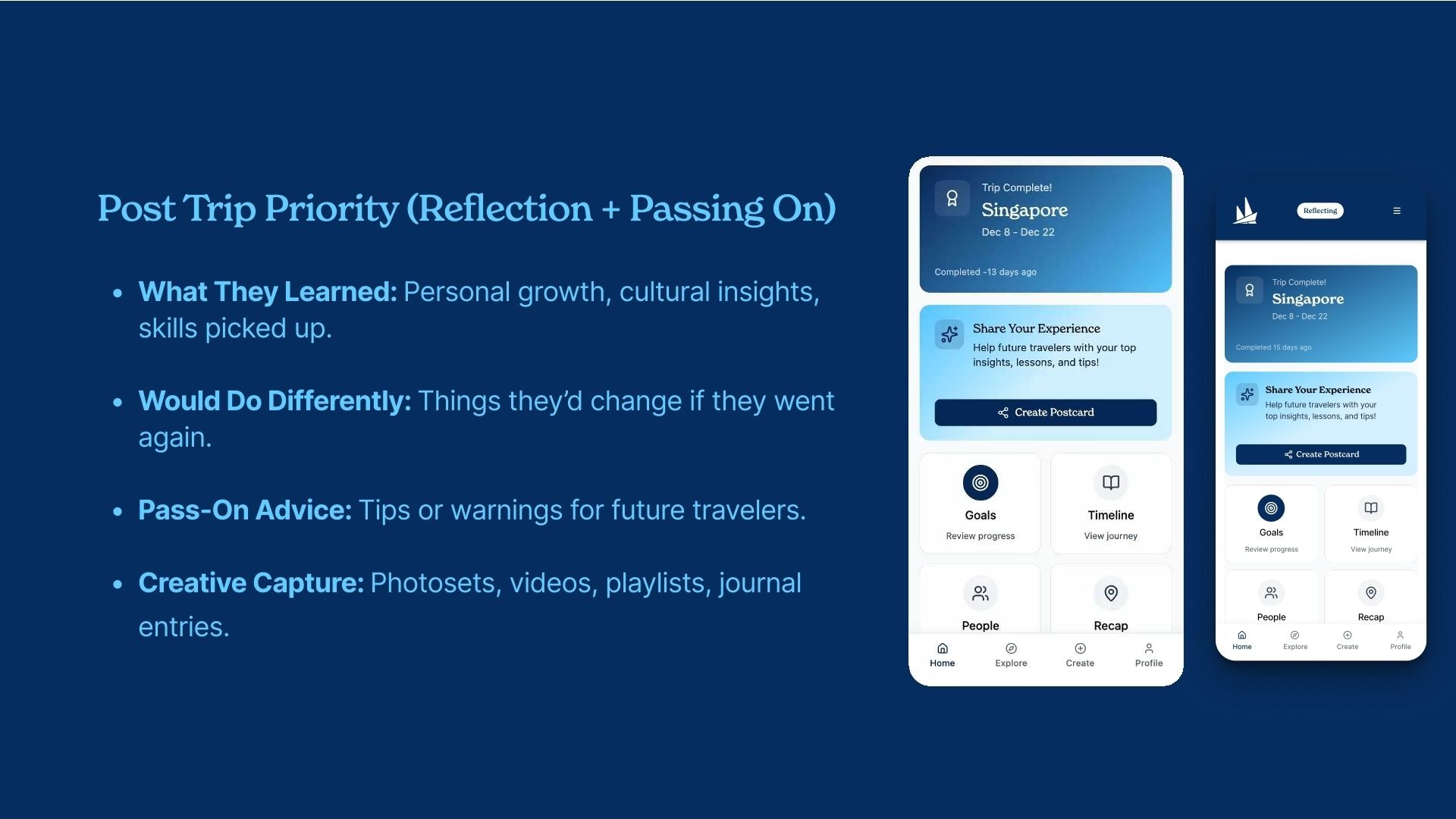
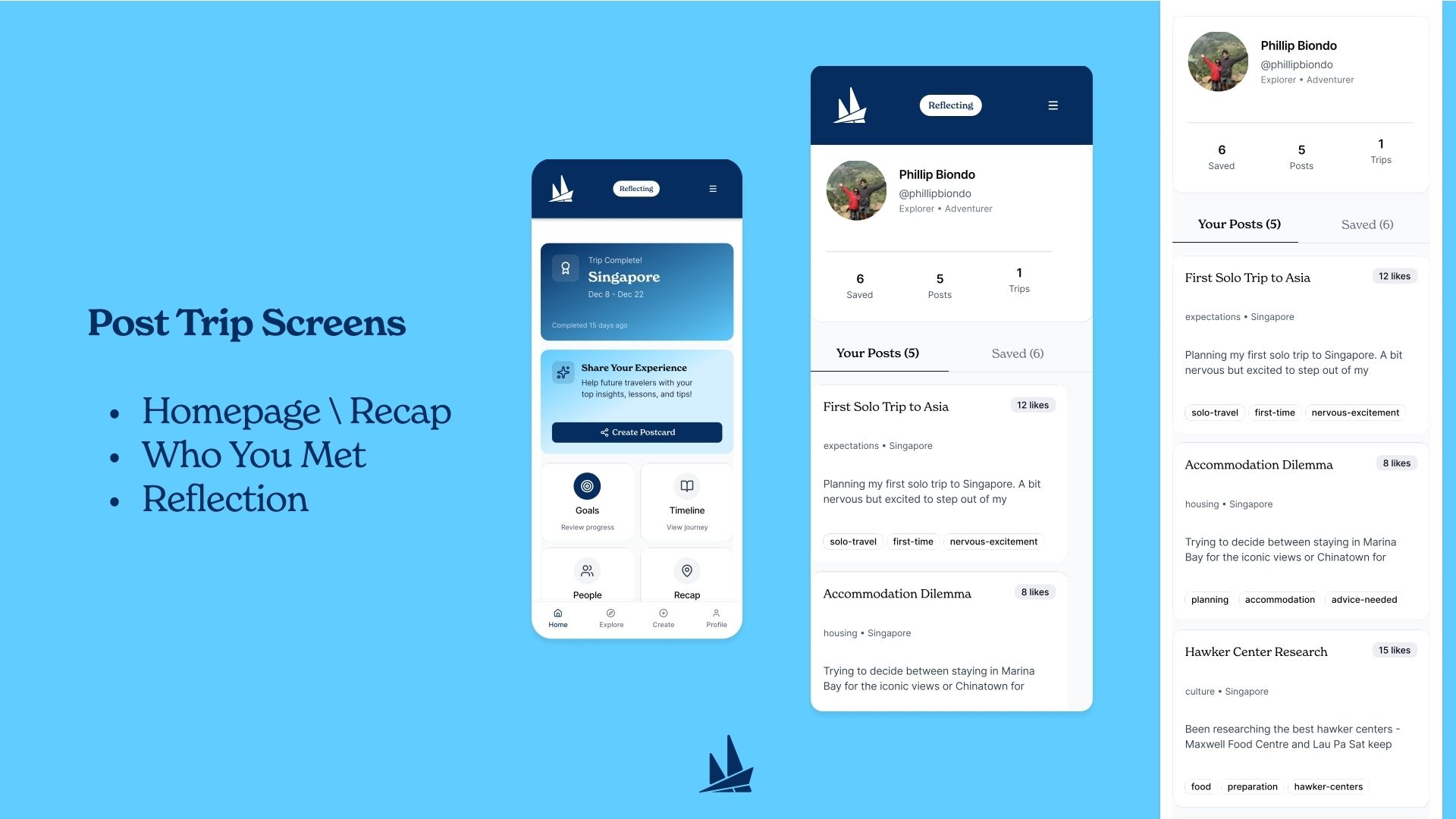
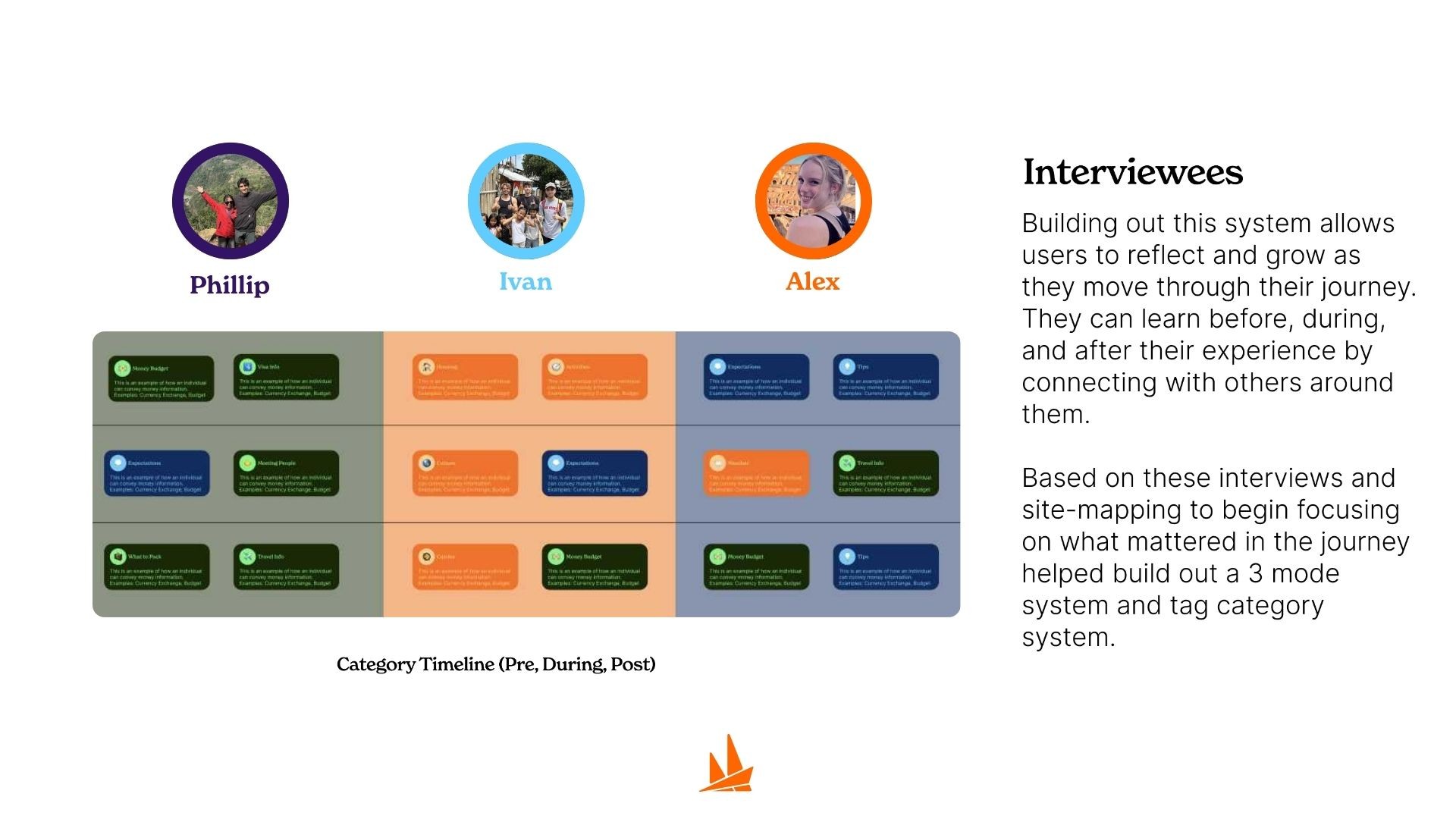
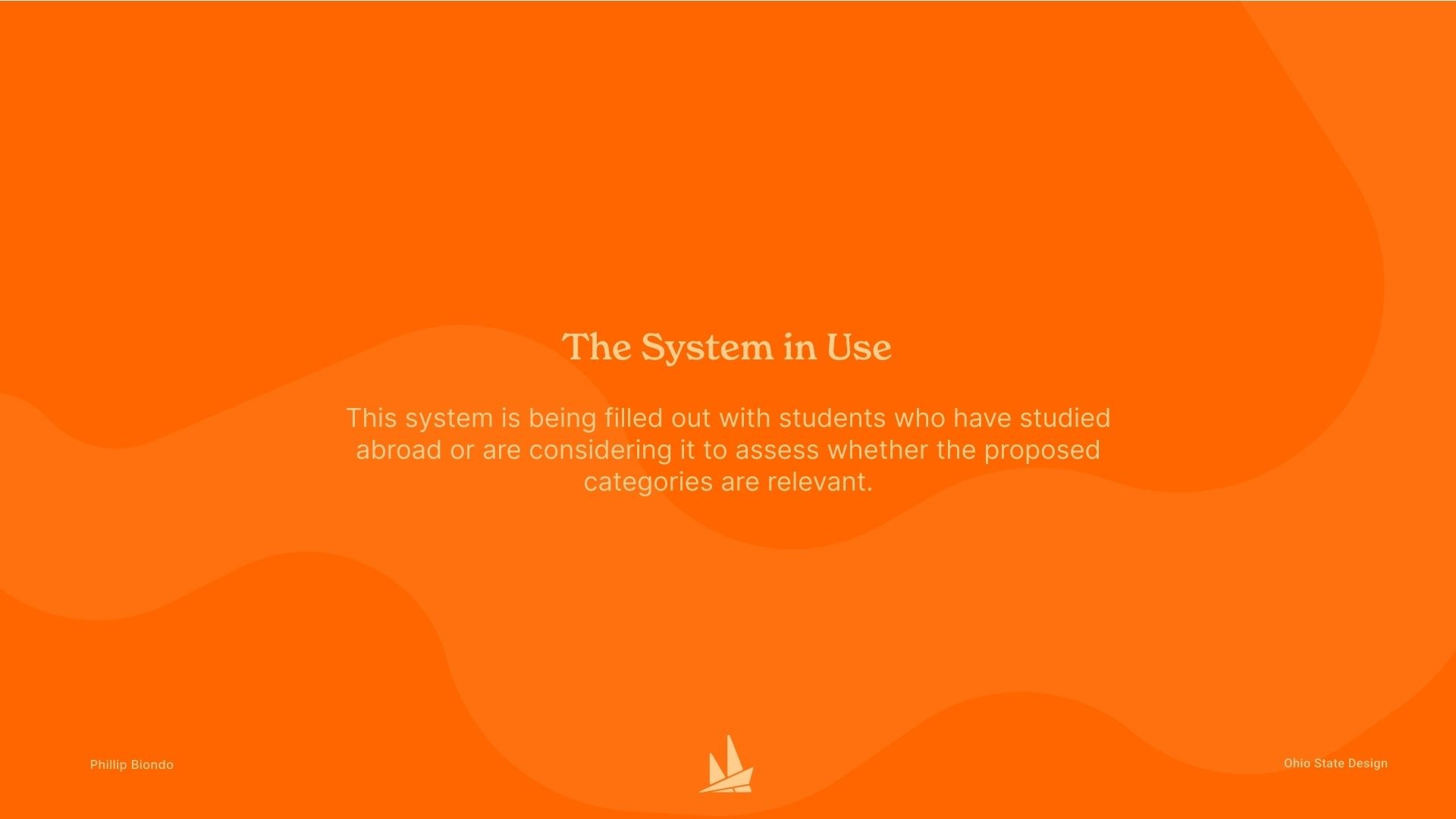
The core of Amast relies on connecting three distinct user groups: prospective students, host-country locals, and program alumni. By mixing UX research methods, qualitative journaling data, and pre-travel user testing, I analyzed the preconceived anxieties of outgoing students. This research informed a continuous, three-phase approach (Pre-trip, During-trip, Post-trip) that weaves together the retrospective insights of alumni and the grounded knowledge of locals with the fresh perspectives of new students.
I am excited to announce this award was selected for Best in Show and Gold at the 2026 ADDY Awards! - AAF Awards
01
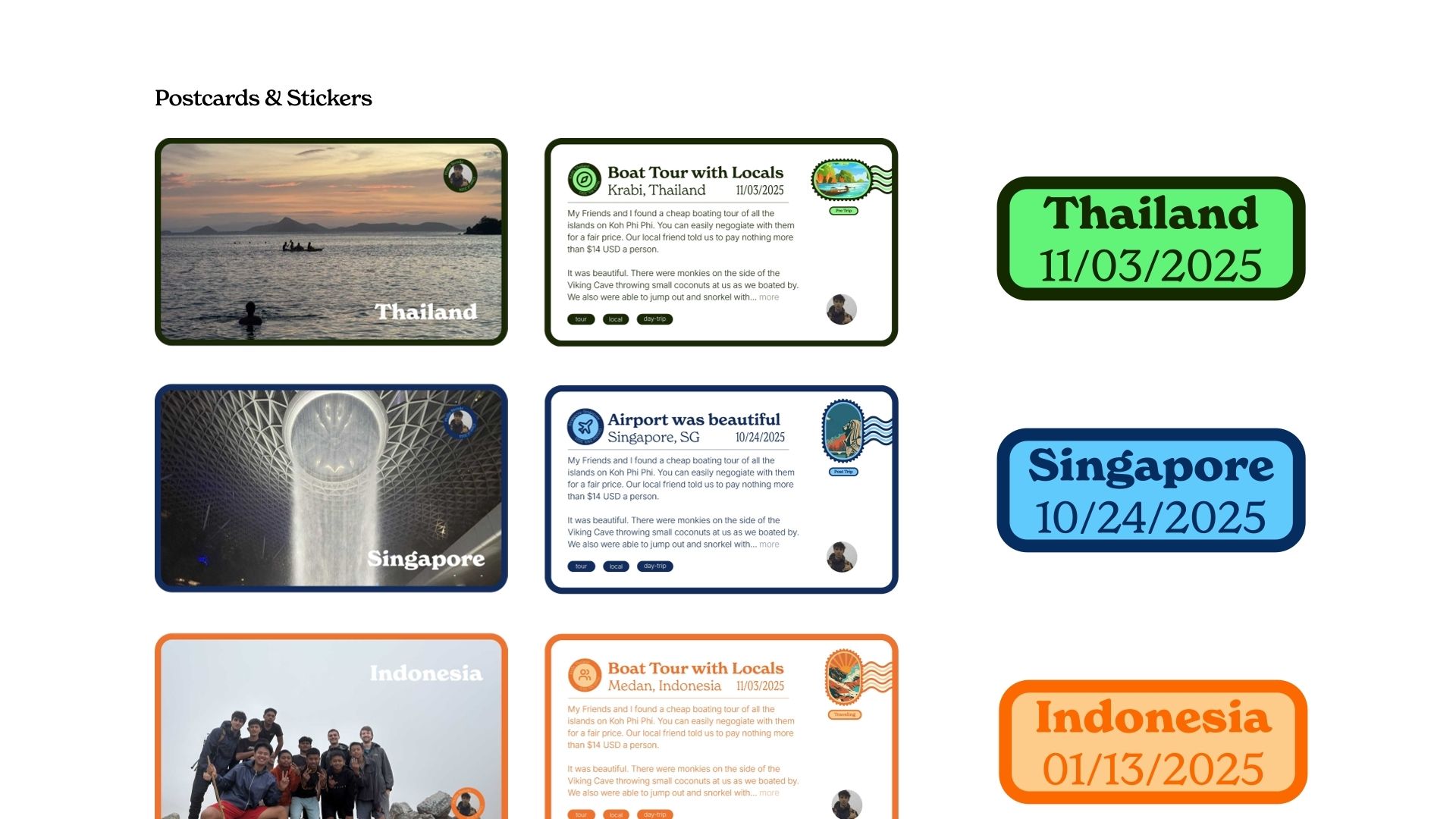
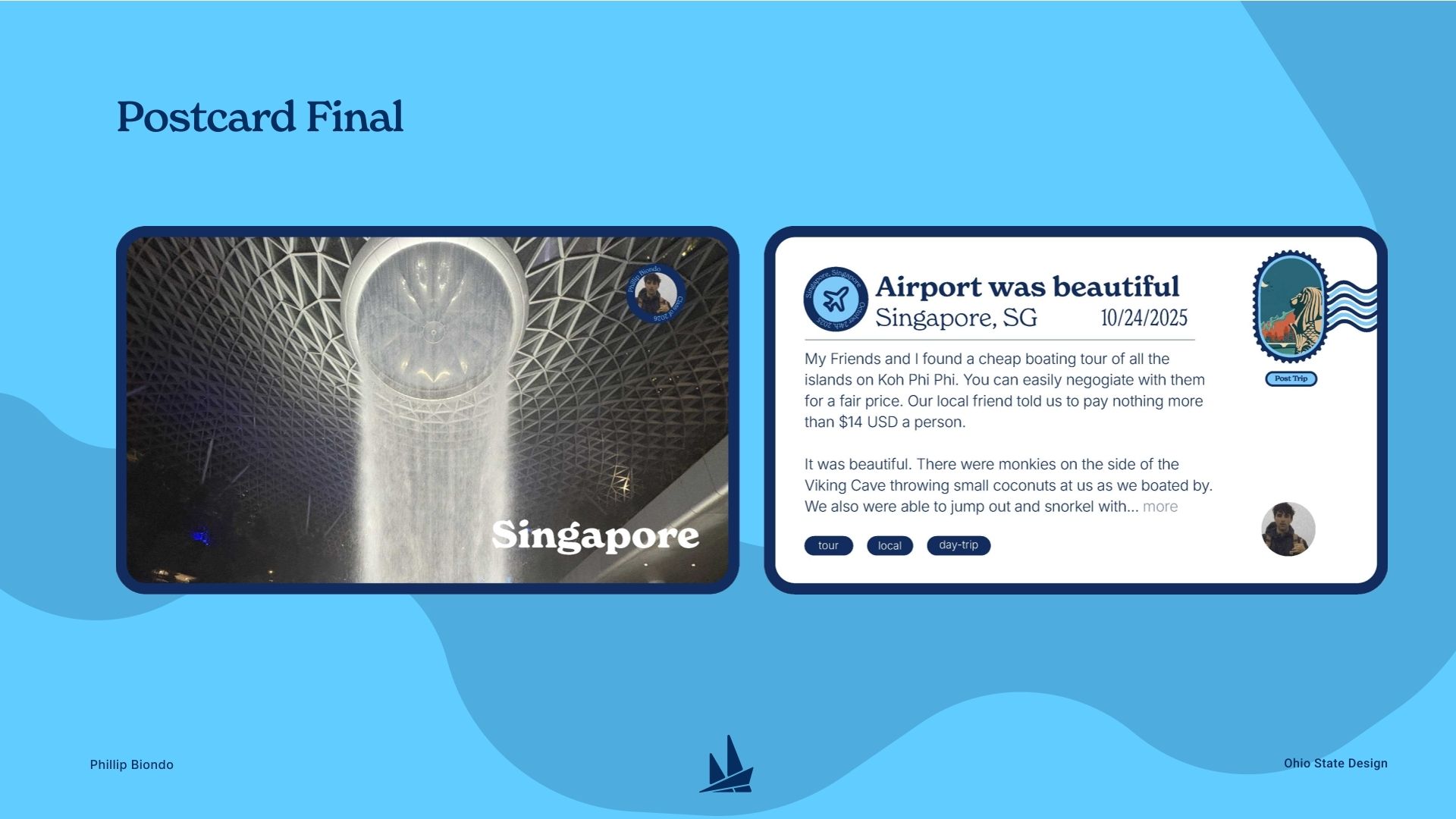
A Living Library of Experiences
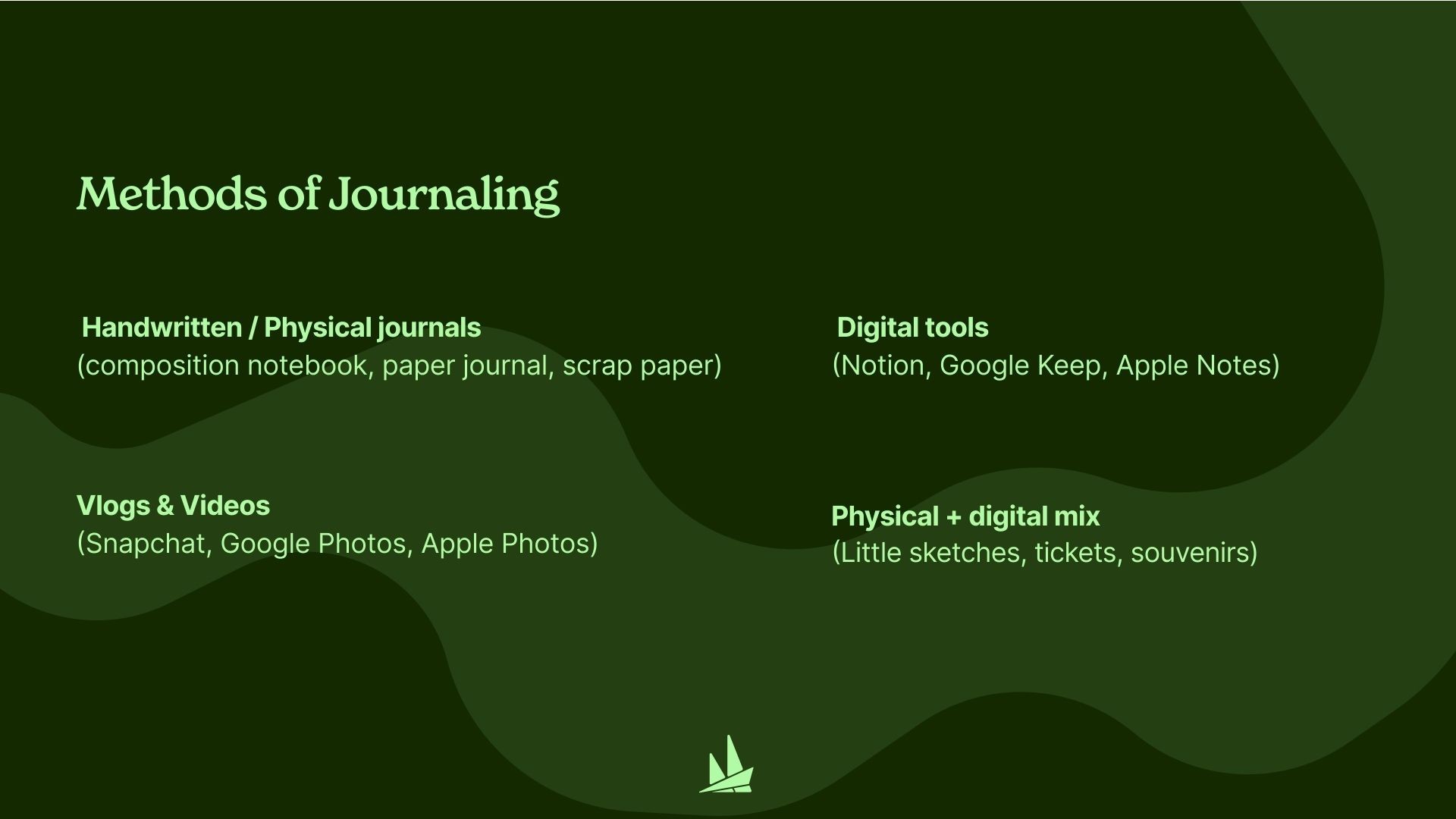
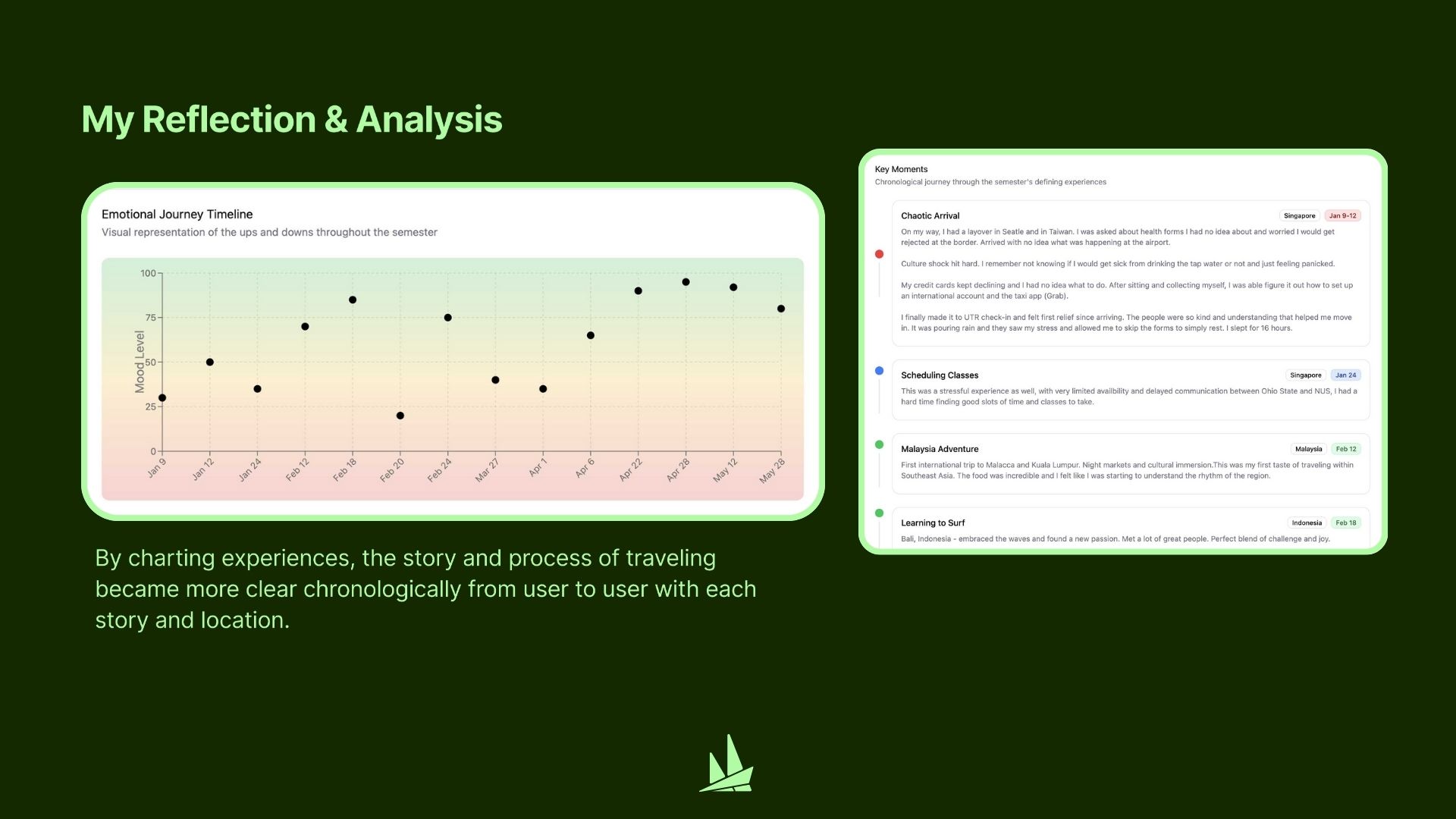
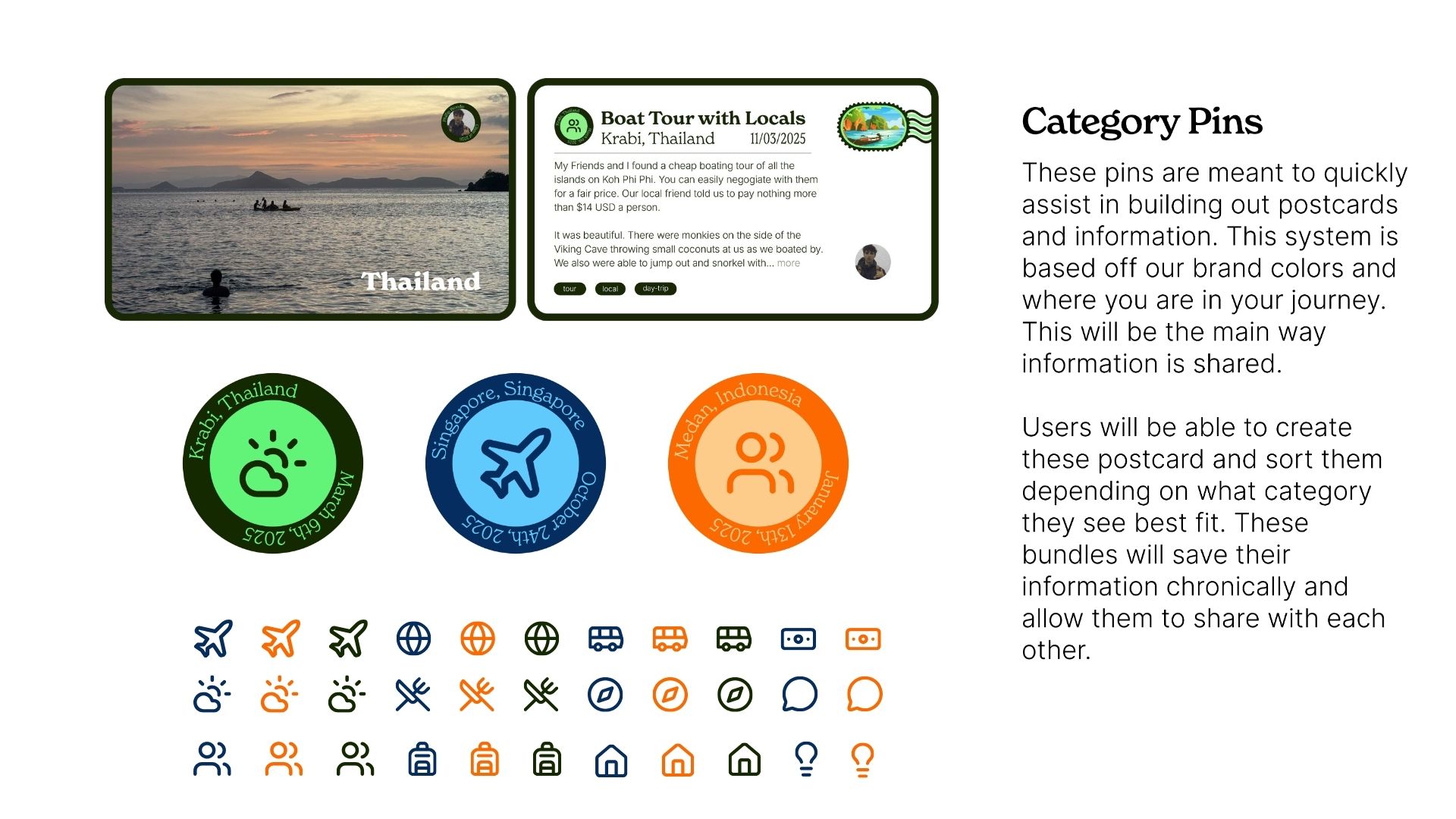
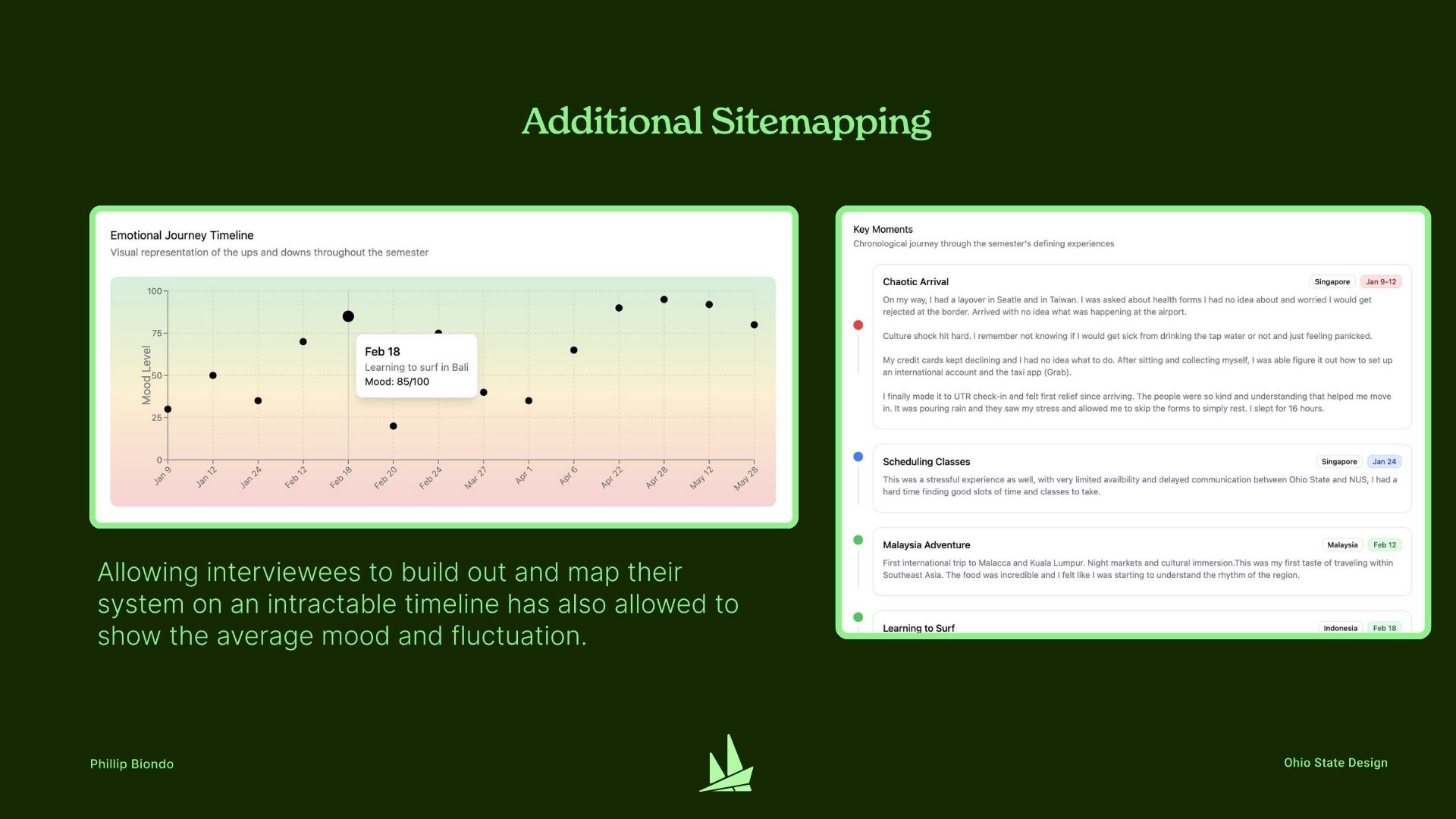
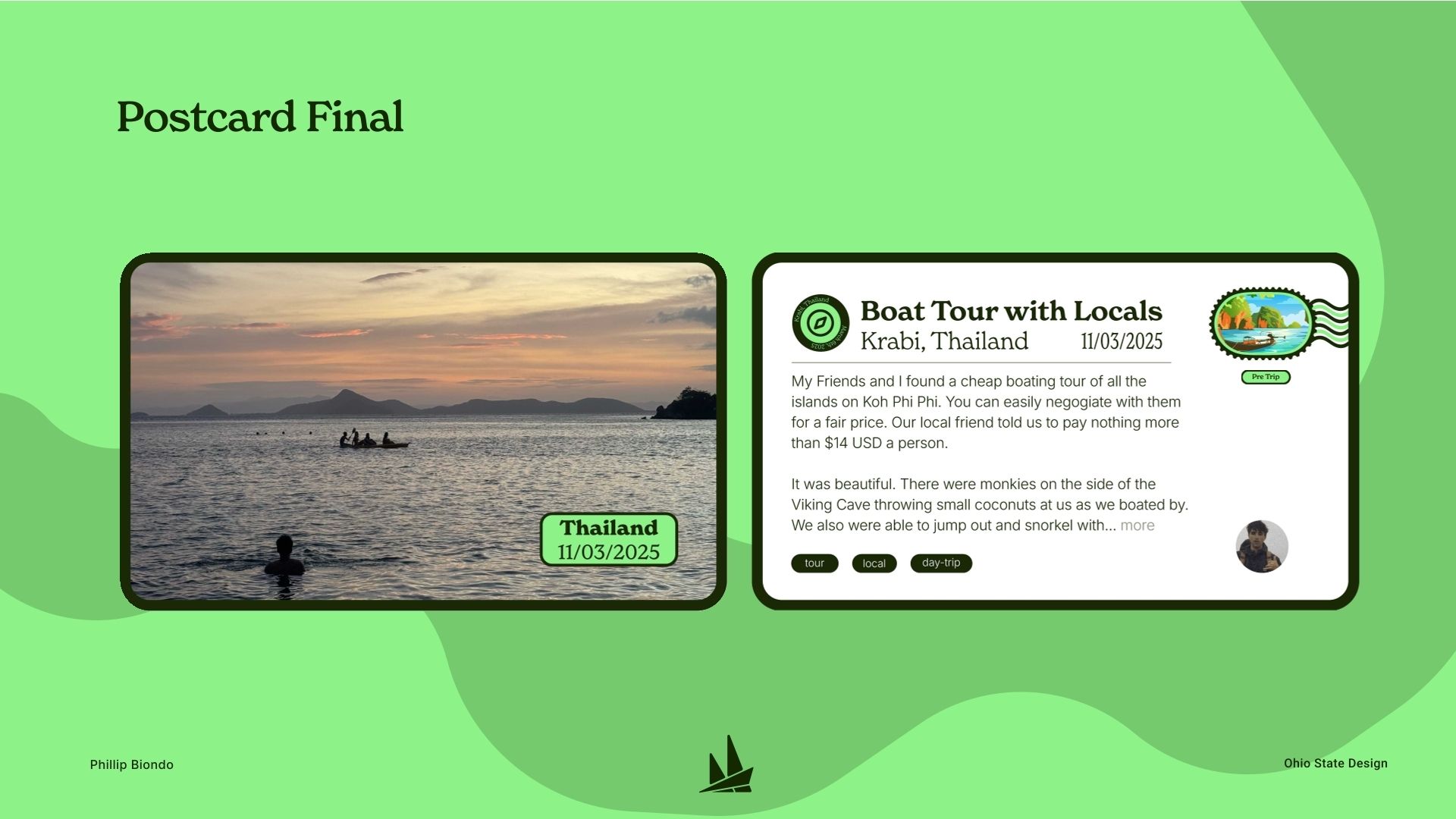
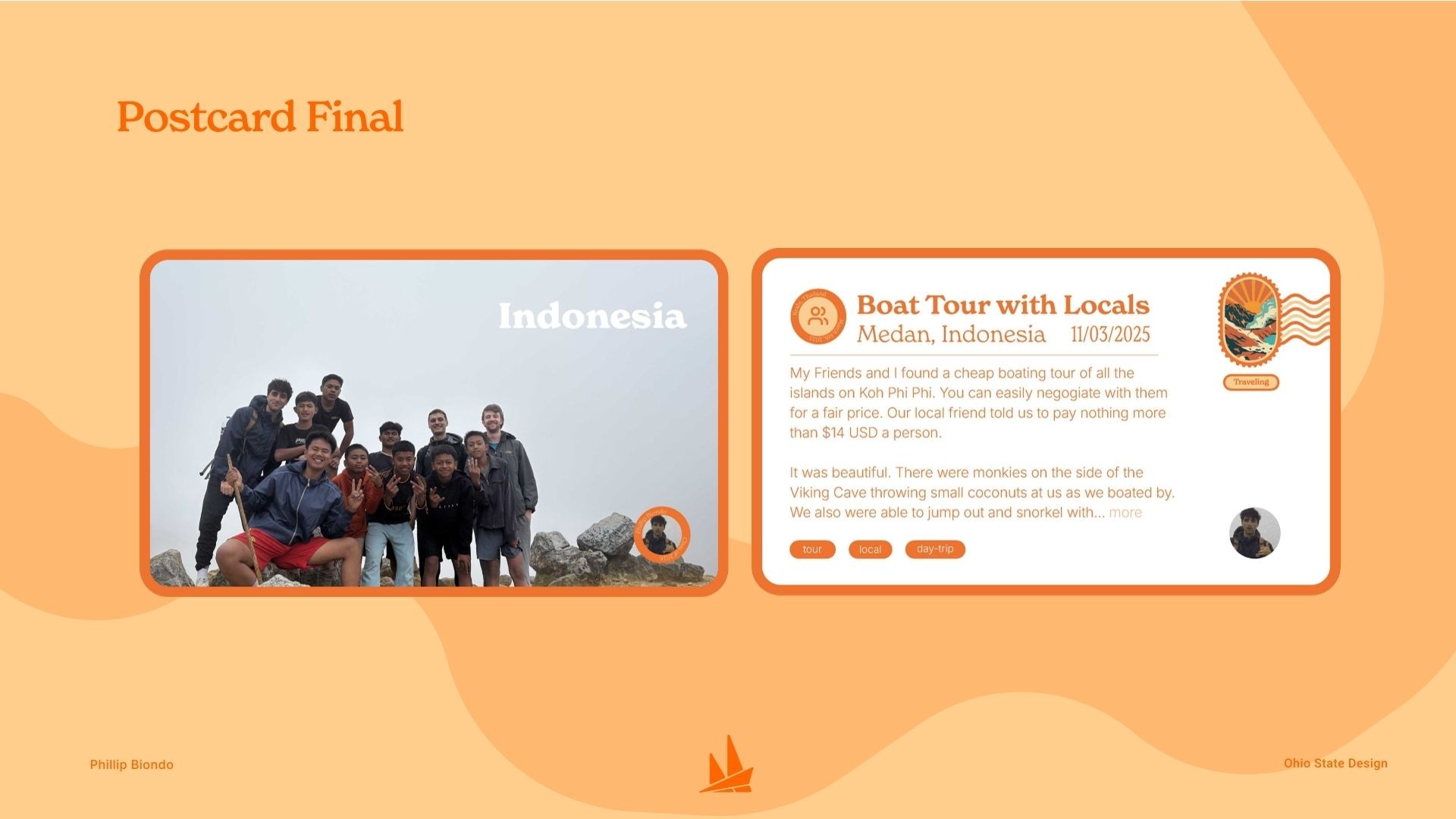
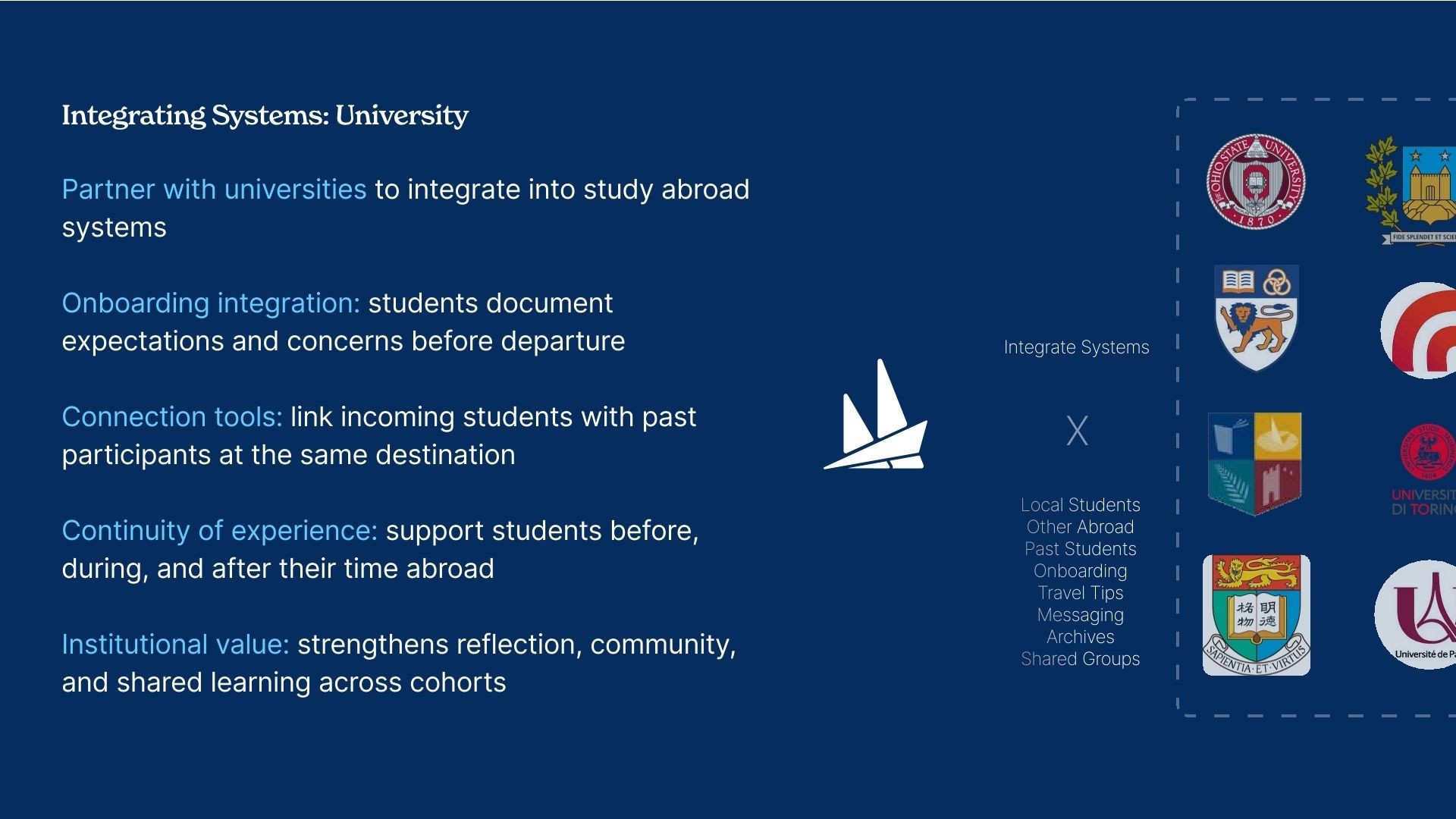
Moving into design distinction, Amast operates as a scalable journal archival system integrated with university programs like Ohio State's Office of International Affairs. The platform tests how interconnected digital journaling can enhance emotional processing and memory retention. By treating individual reflections as data-rich archives, the UI is explicitly designed to foster user well-being and peer mentorship throughout the entire travel timeline.
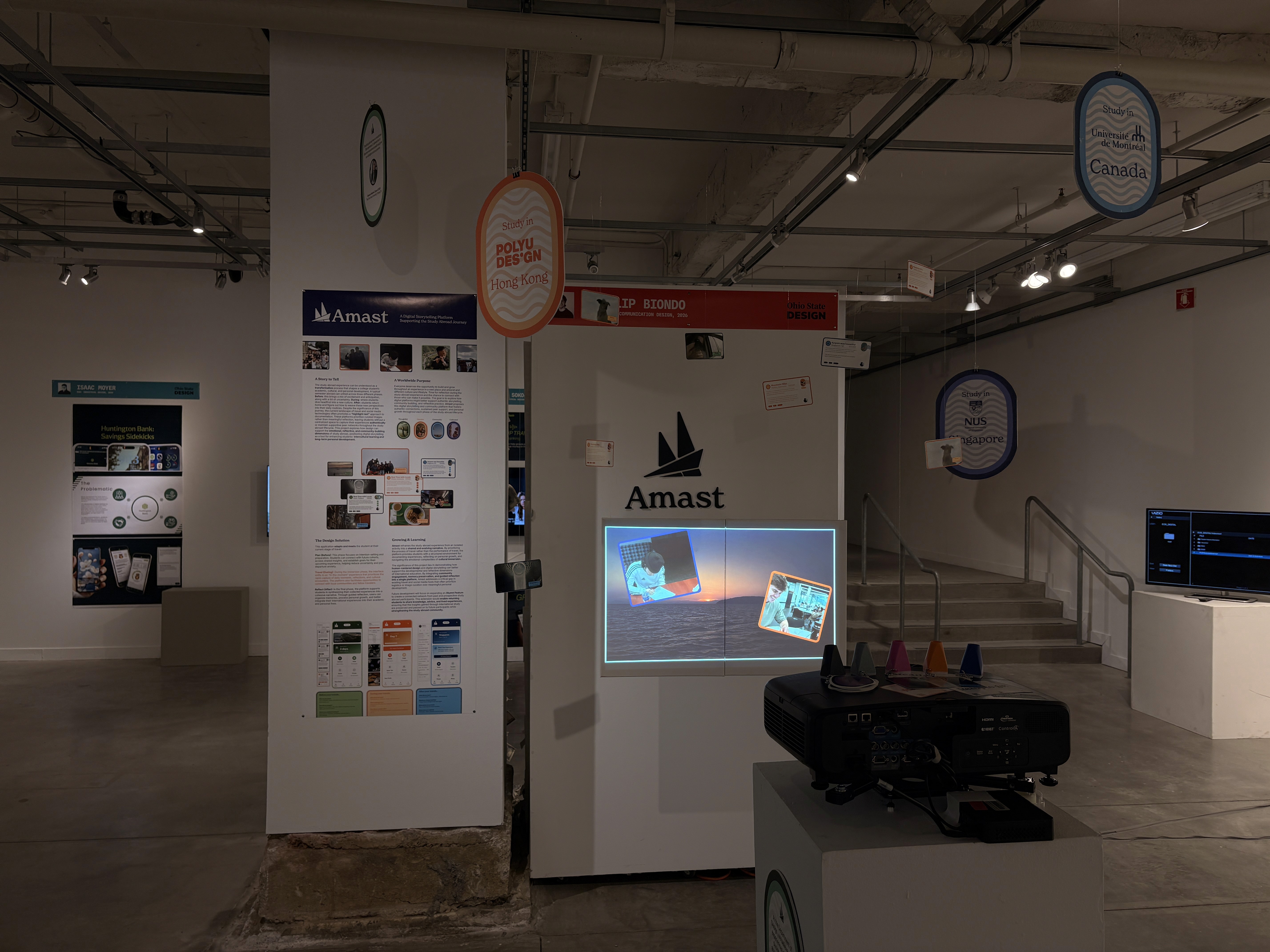
The Urban Arts Space Exhibition
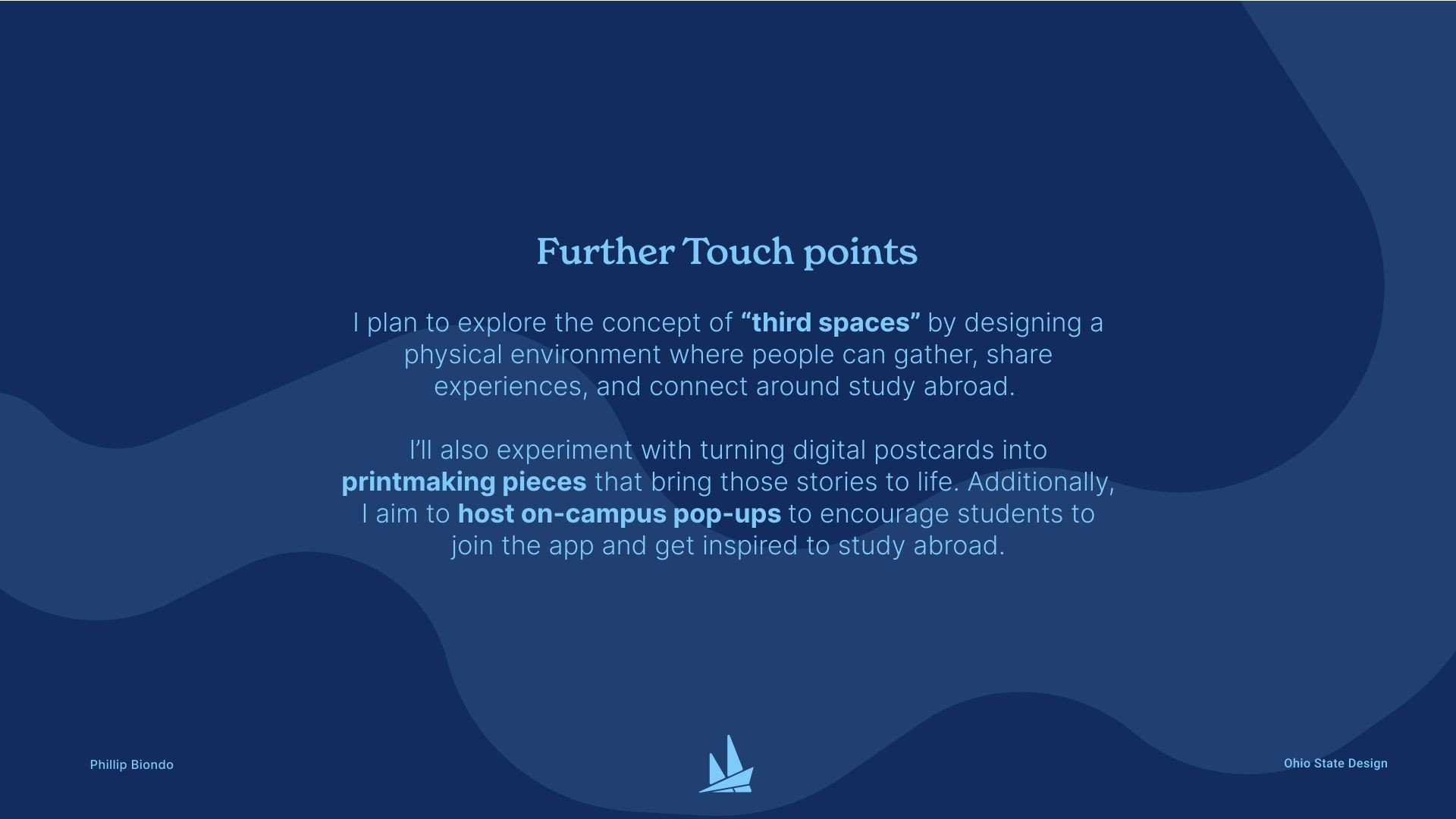
To ground this digital ecosystem in a tangible environment, I designed and executed a physical exhibition and interactive information kiosk for the Urban Arts Space. This installation allowed users to directly interact with the Amast archival system, visualizing the global support network. This physical and digital integration served as a live case study to examine how community-driven storytelling structures inform global decisions.
Reframing UX
Ultimately, this project moves beyond traditional interface design to address broader issues in visual communication. Amast reframes UX as a bridge between personal identity, peer-to-peer connection, and institutional expectations, ultimately shaping a more meaningful educational ecosystem.

Process